


Different Types of Pest Control Explained: Essential Pest Management Techniques

When it comes to protecting your property from unwanted invaders, understanding the different types of pest control is crucial. Whether you manage a residential home, an industrial facility, or a commercial space in Dubai or Sharjah, knowing the right pest management techniques can save you time, money, and stress. I’m here to guide you through the most effective methods, explaining how each works and when to use them. This knowledge empowers you to make informed decisions and maintain a safe, healthy environment.
Exploring Effective Pest Management Techniques
Pest management techniques vary widely, each designed to target specific pests or situations. The goal is always to reduce pest populations to acceptable levels while minimizing risks to people, property, and the environment. Here are some of the most common and reliable pest management techniques you should know about:
1. Chemical Control
Chemical control involves the use of pesticides to eliminate or control pests. These substances can be insecticides, rodenticides, fungicides, or herbicides, depending on the pest type. Chemical control is often the fastest way to reduce pest populations, especially in severe infestations.
Advantages: Quick action, effective for large infestations, widely available.
Considerations: Must be used carefully to avoid health risks and environmental damage. Always follow safety guidelines and regulations.
Chemical control is often integrated with other methods to create a balanced pest management plan.
2. Biological Control
Biological control uses natural predators, parasites, or pathogens to control pest populations. This method is environmentally friendly and sustainable, relying on the natural ecosystem to keep pests in check.
Examples: Ladybugs to control aphids, parasitic wasps to manage caterpillars, or bacteria like Bacillus thuringiensis (Bt) to target specific insects.
Benefits: Safe for humans and pets, reduces chemical use, long-term pest suppression.
Biological control is ideal for those seeking eco-friendly solutions and is often used in agricultural or garden settings.
3. Mechanical and Physical Control
Mechanical and physical control methods involve barriers, traps, or manual removal to prevent or reduce pest presence. These techniques are straightforward and can be very effective when combined with other strategies.
Examples: Installing screens on windows, using sticky traps for insects, sealing cracks and crevices, or setting rodent traps.
Advantages: Non-toxic, immediate results, easy to implement.
This approach is especially useful in residential and commercial properties where chemical use might be restricted or undesirable.
4. Cultural Control
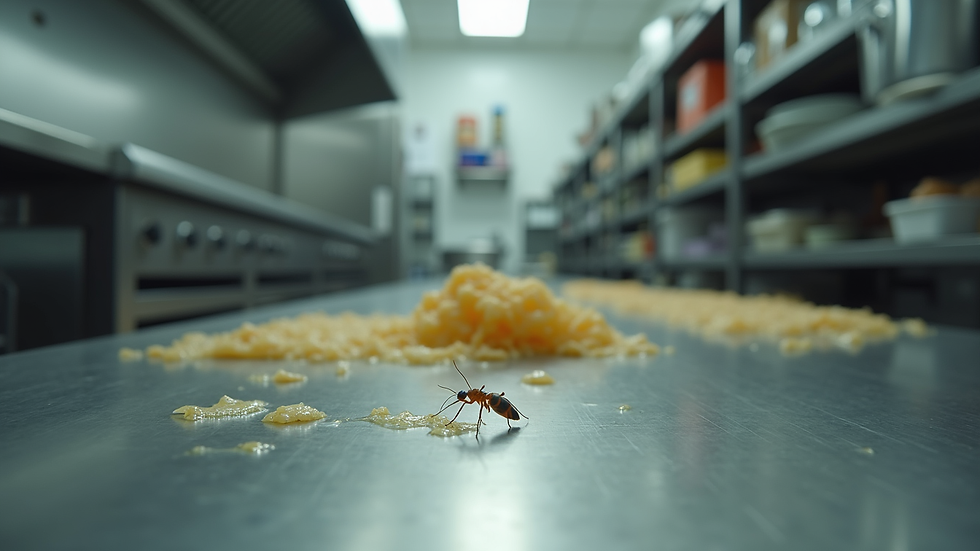
Cultural control focuses on modifying the environment to make it less hospitable to pests. This includes practices like proper sanitation, waste management, and landscaping adjustments.
Examples: Removing standing water to prevent mosquito breeding, regular cleaning to eliminate food sources, and trimming vegetation away from buildings.
Benefits: Prevents pest problems before they start, cost-effective, supports other control methods.
Cultural control is a proactive approach that helps maintain a pest-free environment over time.
What are the 4 Types of Pests?
Understanding the types of pests you might encounter is essential for choosing the right control method. Generally, pests fall into four main categories:
1. Insects
Insects are the most common pests and include ants, cockroaches, termites, mosquitoes, and flies. They can cause damage to property, contaminate food, and spread diseases.
2. Rodents
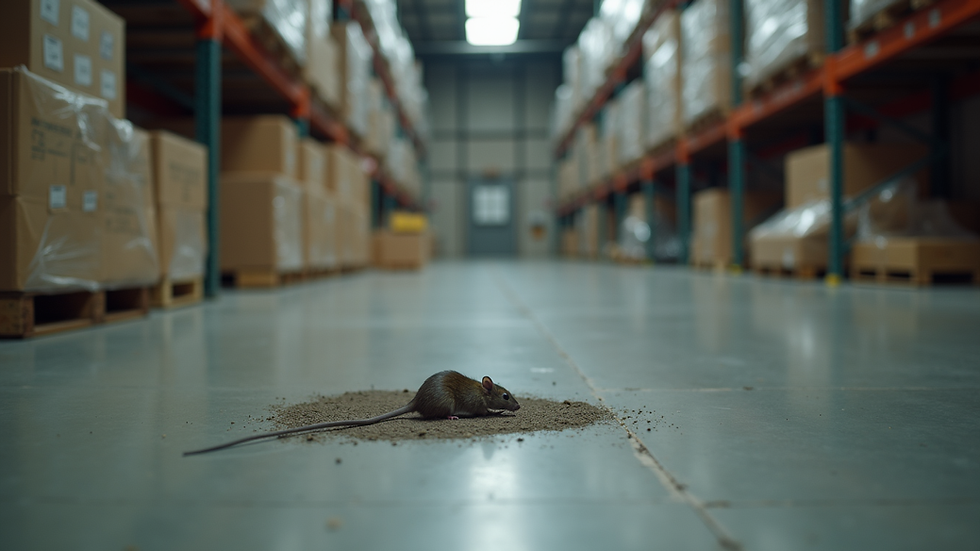
Rodents such as rats and mice are notorious for damaging structures, wiring, and stored goods. They also pose significant health risks through their droppings and potential to carry diseases.
3. Birds
Certain bird species can become pests by nesting in buildings, creating noise, and leaving droppings that damage property and pose health hazards.
4. Other Wildlife
This category includes animals like snakes, bats, and squirrels that may invade properties, causing damage or safety concerns.
Knowing which type of pest you are dealing with helps tailor the pest management techniques to be most effective.
Integrated Pest Management: Combining Techniques for Success
One of the most reassuring and effective approaches to pest management is Integrated Pest Management (IPM). IPM combines multiple pest management techniques to achieve long-term control with minimal environmental impact.
Key Components of IPM:
Monitoring and Identification: Regular inspections to identify pest types and population levels.
Prevention: Using cultural and physical controls to reduce pest entry and breeding.
Control: Applying chemical or biological methods only when necessary and in a targeted manner.
Evaluation: Assessing the effectiveness of the control measures and adjusting strategies accordingly.
IPM is a smart, balanced approach that prioritizes safety and sustainability while ensuring your property remains pest-free.
Practical Tips for Choosing the Right Pest Management Technique
Selecting the best pest management technique depends on several factors, including the type of pest, the severity of the infestation, and the property type. Here are some practical tips to guide your decision:
Identify the Pest Correctly: Misidentification can lead to ineffective treatment.
Assess the Infestation Level: Minor issues might only need mechanical or cultural controls, while severe infestations may require chemical intervention.
Consider Safety: For homes with children or pets, opt for non-chemical methods when possible.
Evaluate Environmental Impact: Choose eco-friendly options to protect the surrounding environment.
Consult Professionals: When in doubt, professional pest management services can provide expert advice and treatment.
By following these tips, you can confidently select the most appropriate pest management techniques for your property.
Moving Forward with Confidence in Pest Management
Understanding the different types of pest control and pest management techniques equips you to protect your property effectively. Whether you prefer chemical, biological, mechanical, or cultural methods, each has its place in a comprehensive pest management plan. Remember, the key to success is combining these techniques thoughtfully and responsibly.
If you want to ensure your property remains safe and pest-free, consider partnering with a trusted pest management company. They bring expertise, experience, and tailored solutions that meet the highest standards of safety and quality. With the right approach, you can enjoy peace of mind knowing your environment is protected from pests.
For more detailed information and professional assistance, explore reliable pest control services that prioritize your safety and satisfaction.


Comments